Which dishes suit a close-up dive
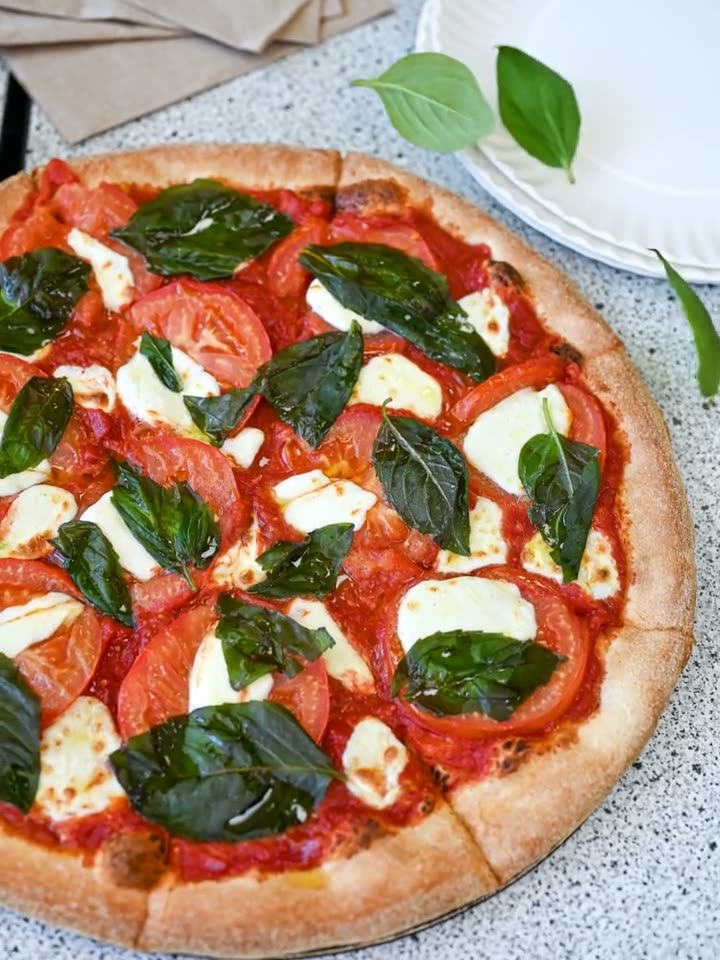
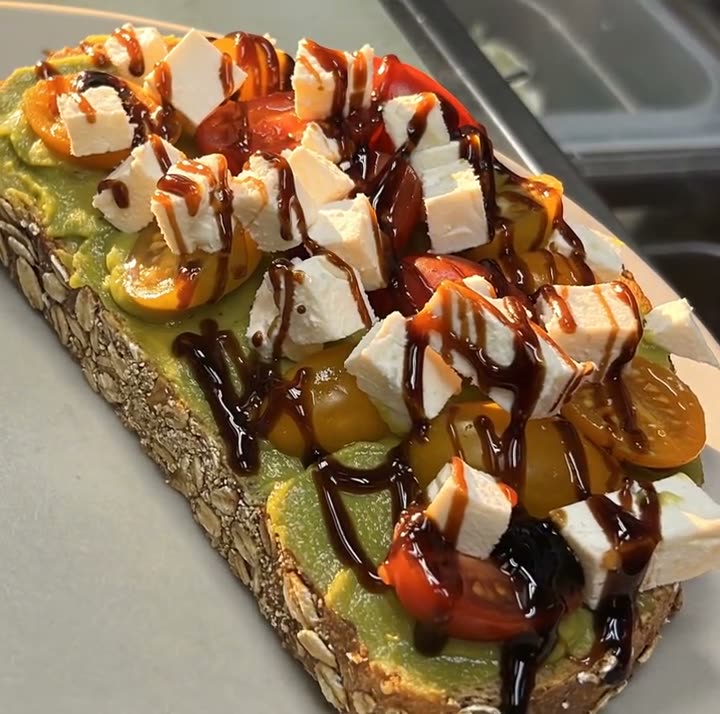
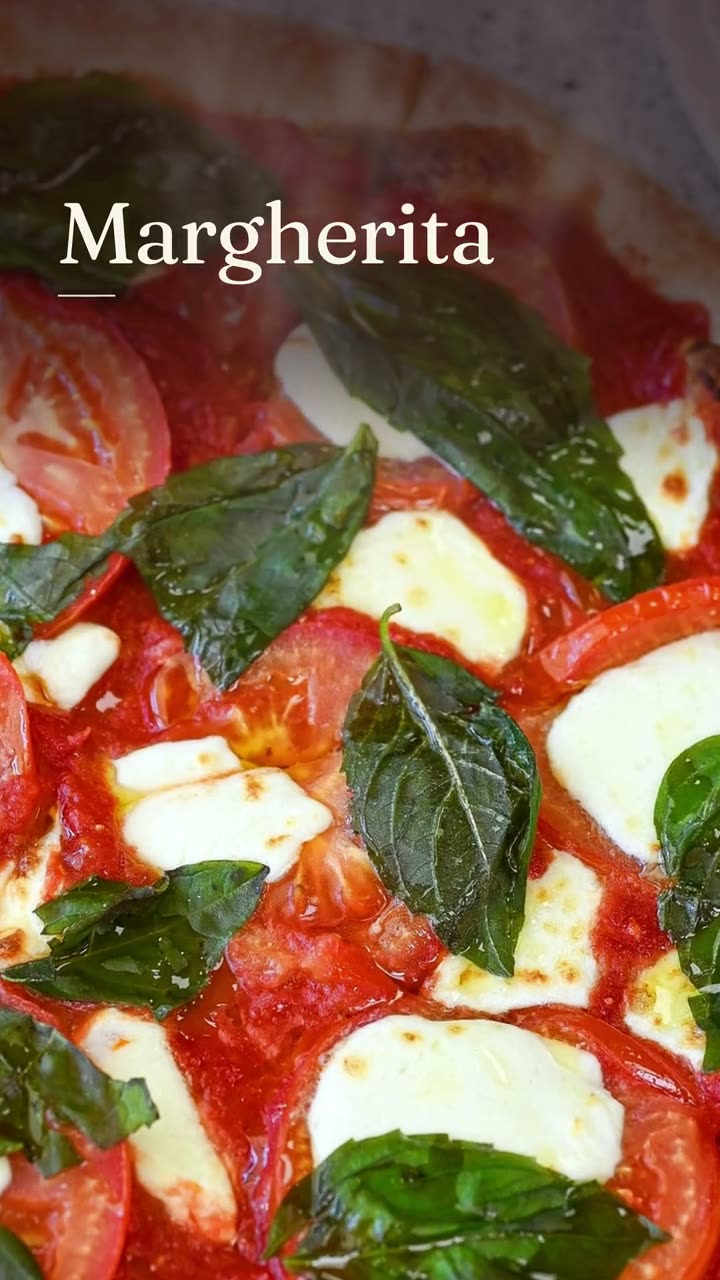
The push only pays off if there's something worth seeing up close. Dishes with layered, uneven texture work best: a steak and cheese sub, a pulled pork sandwich, a burger cut in half, a slice with bubbled cheese and charred spots, a bowl of noodles with sesame and scallions. The closer the camera gets, the more those details carry the video.
Smooth, flat dishes are a harder fit. A bowl of soup or a plain cheesecake looks much the same at the end of the push as it did at the start. For those, Light Reveal usually tells a better story, because the light does the work instead of the camera.
Photo tips for macro-style video
- Focus matters more here than anywhere else. Tap to focus on the filling or the cheese, not the plate edge, before you shoot.
- Shoot in bright, soft light. Shadows that look fine in a still can swallow the detail once the camera is close.
- Use the phone's main lens at full resolution rather than digital zoom, so there's real detail to push into.
- Show the cut side of sandwiches and burgers. The inside is what people want to see.
- A second dish in the back of the frame is fine, like the pizza behind Boston Pizza's sub, as long as the hero dish is in front and sharp.
Feed clip vs story cut
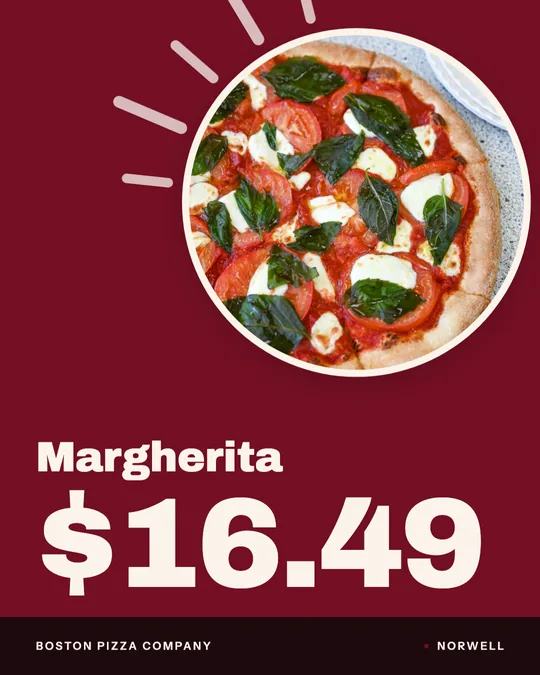
The feed clip is the push itself, about five seconds from wide to close, in a 3:4 frame. It's a good fit for Instagram and Facebook feed posts, where the motion catches the eye and your caption can name the dish.
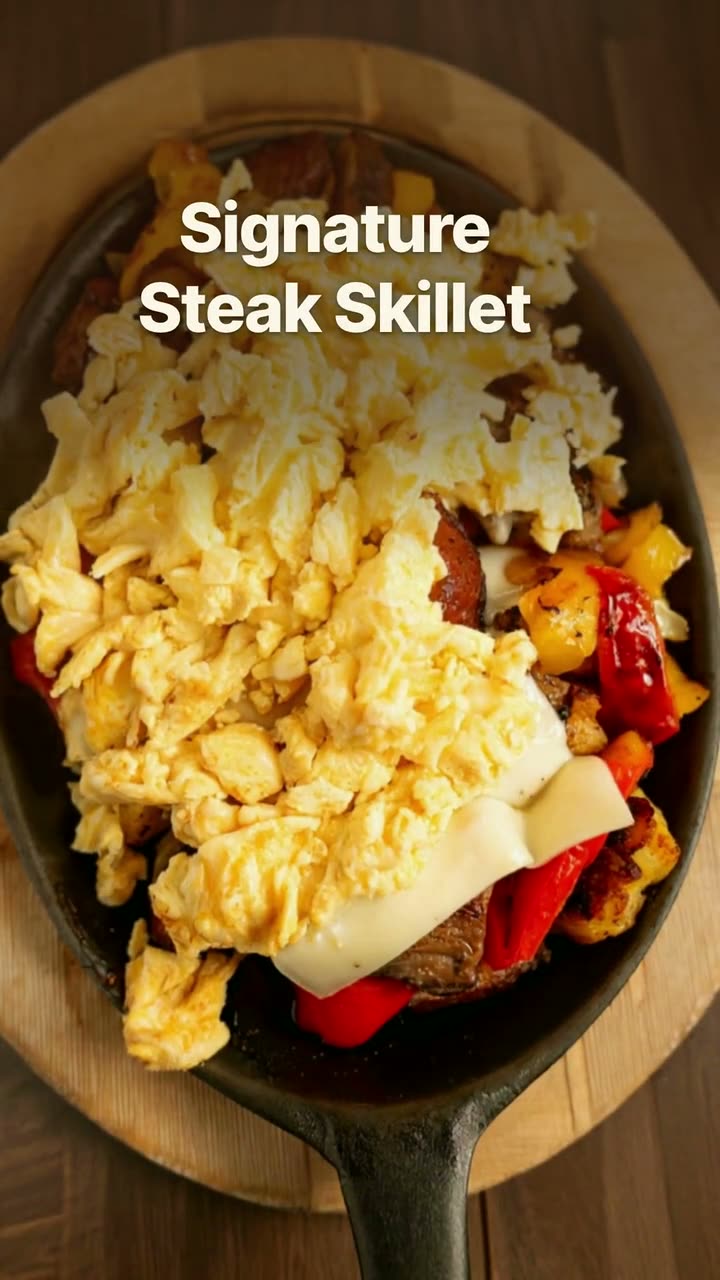
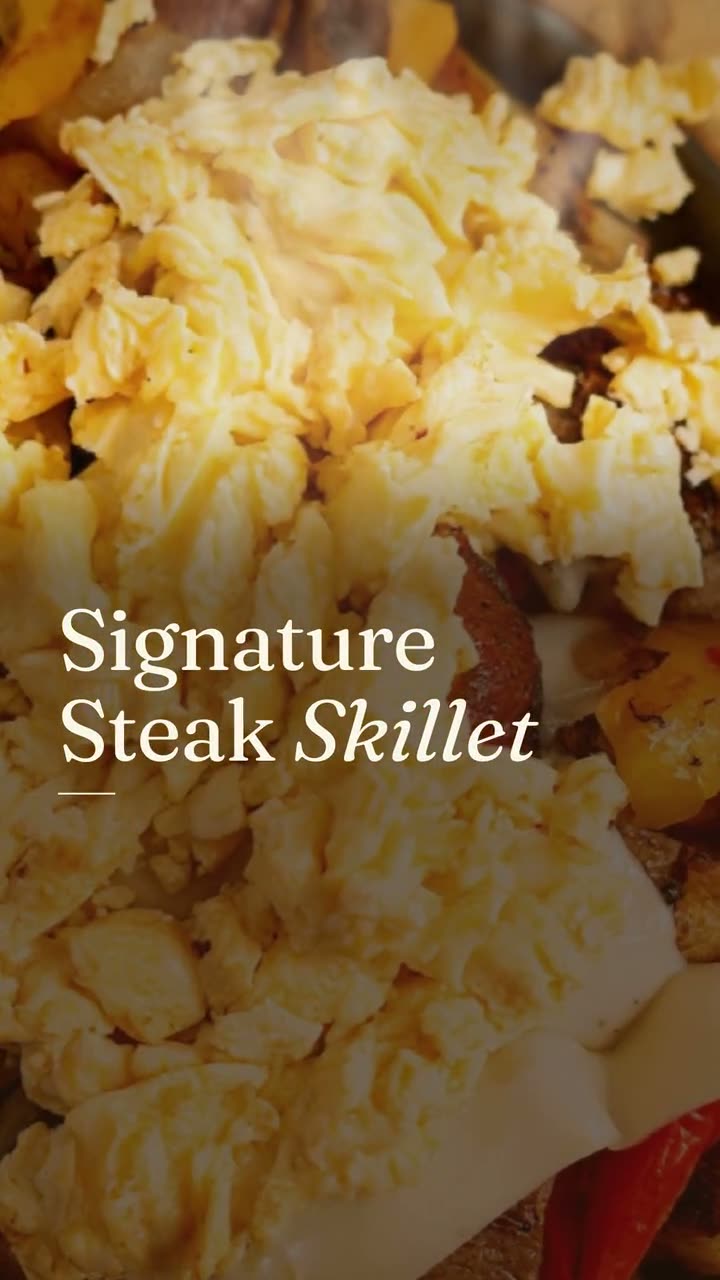
The 9:16 story cut is longer and edited as a dish story. Boston Pizza's version puts "Steak & Cheese" on screen in bold type during the close-up and finishes on the restaurant name. Use it for Stories, Reels and TikTok, where the viewer is full screen and needs to know what they're looking at without reading a caption.