Which dishes suit Light Reveal
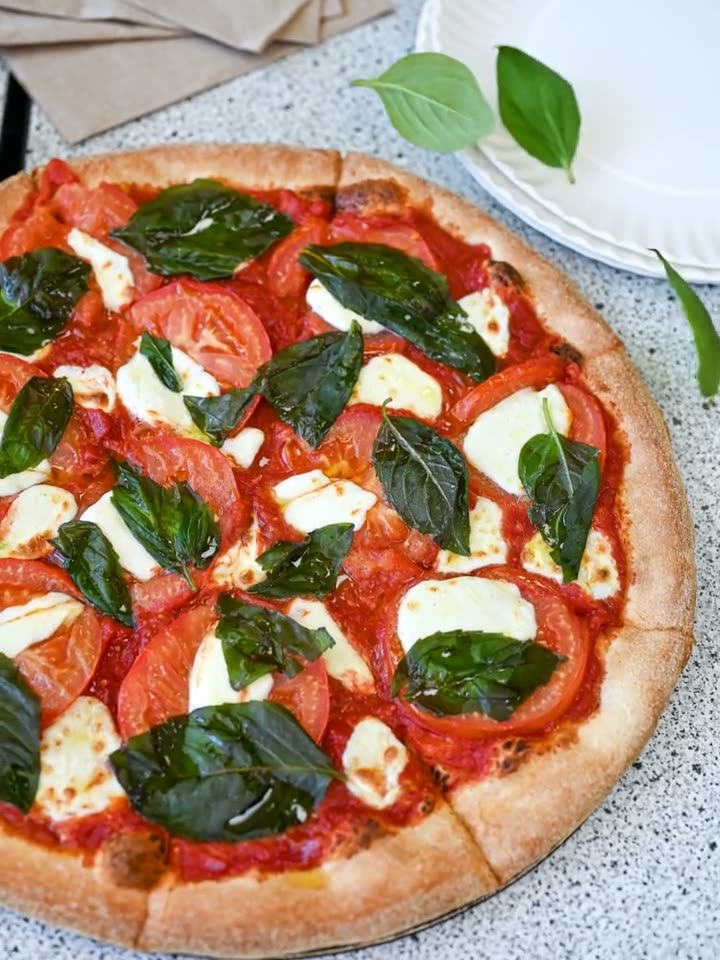
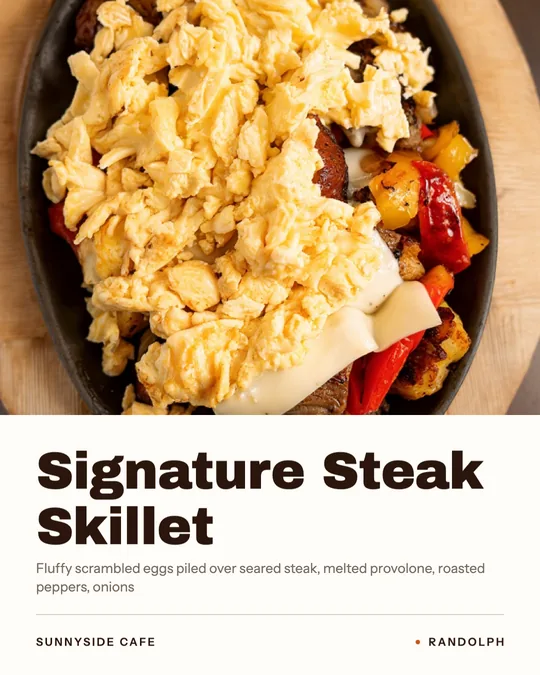
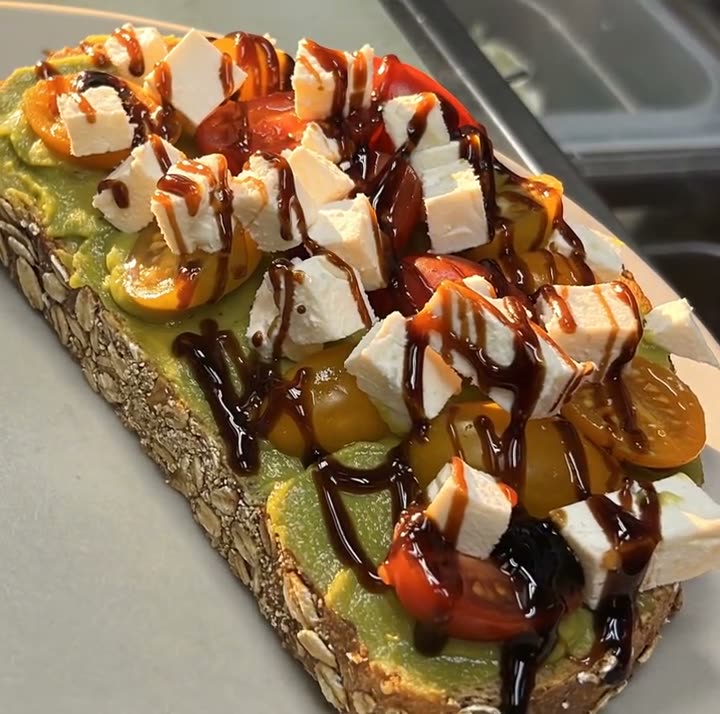
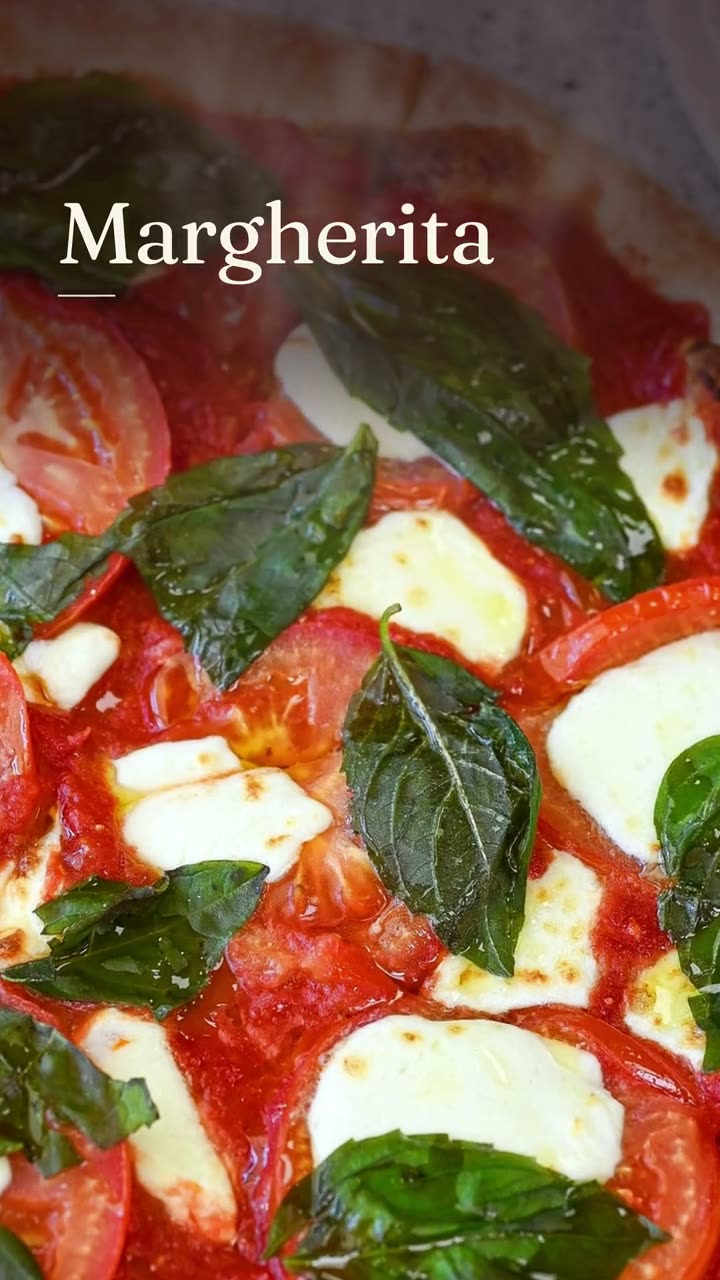
Light Reveal rewards surfaces that react to light. Anything glossy, drizzled or glazed looks good as the highlight moves across it: a balsamic or honey drizzle, a fruit tart, a glazed donut, a pan sauce on steak, a latte with a clean pour. Fresh vegetables with a little moisture on them catch the light well too.
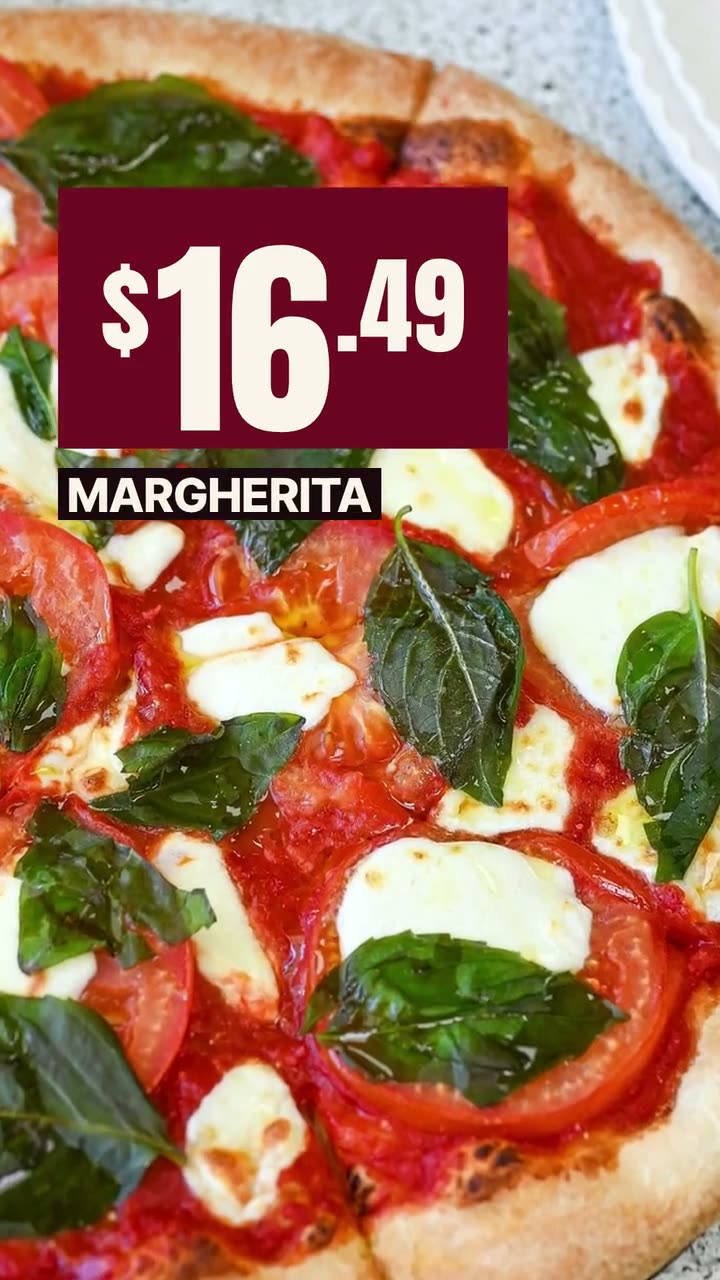
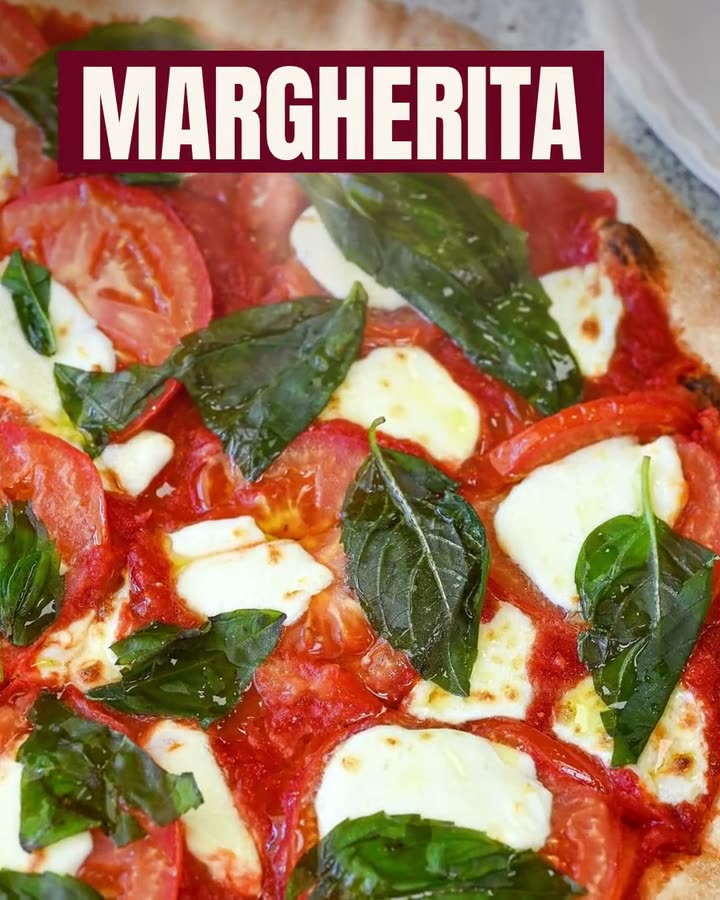
Because the motion is slow and soft, it also suits restaurants whose brand is calm rather than loud: cafes, bakeries, brunch places, wine bars. If you want punch and speed for a pizza or burger post, Close-Up Dive or Falling Garnish usually fits better.
Photo tips for a light reveal
- Start with soft, even light, like a window on a cloudy day. The recipe adds the drama, so the photo shouldn't already have harsh shadows.
- Avoid flash. A flash hotspot stays put while the rest of the light moves, and it looks odd.
- Shoot at a low three-quarter angle, so the surface of the dish faces the light and shows its shine.
- Wipe the plate rim. Moving light finds every smudge and drip.
- Keep the background plain and a little darker than the dish, so the light pulls the eye to the food.
Square clip vs story cut
The square clip is the effect on its own: about five seconds, 1:1, with no words on screen. It sits well in the Instagram grid and on Facebook, where square posts fill the frame without cropping. Write the dish name in your caption.
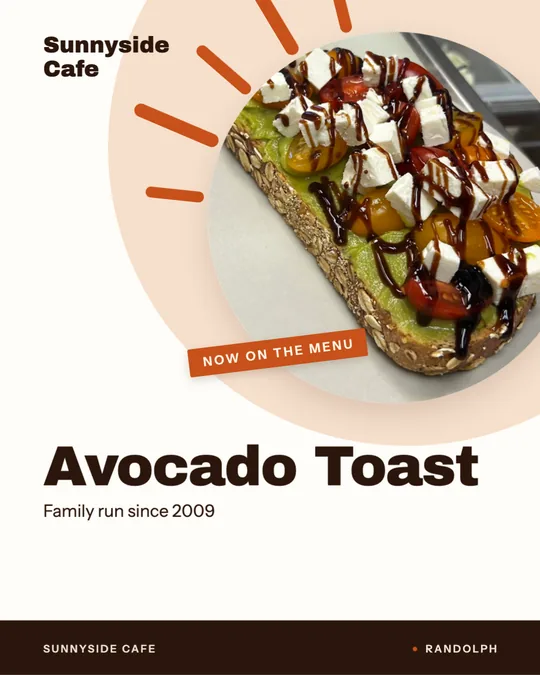
The 9:16 story cut runs just under ten seconds and is edited like a dish story. Sunnyside's version opens on its dining room, names the dish, shows the light moving over it and ends on the cafe's name. It's the version to use for Stories, Reels and TikTok, and it works as a short brand spot, not only a dish post.