Which dishes suit Falling Garnish
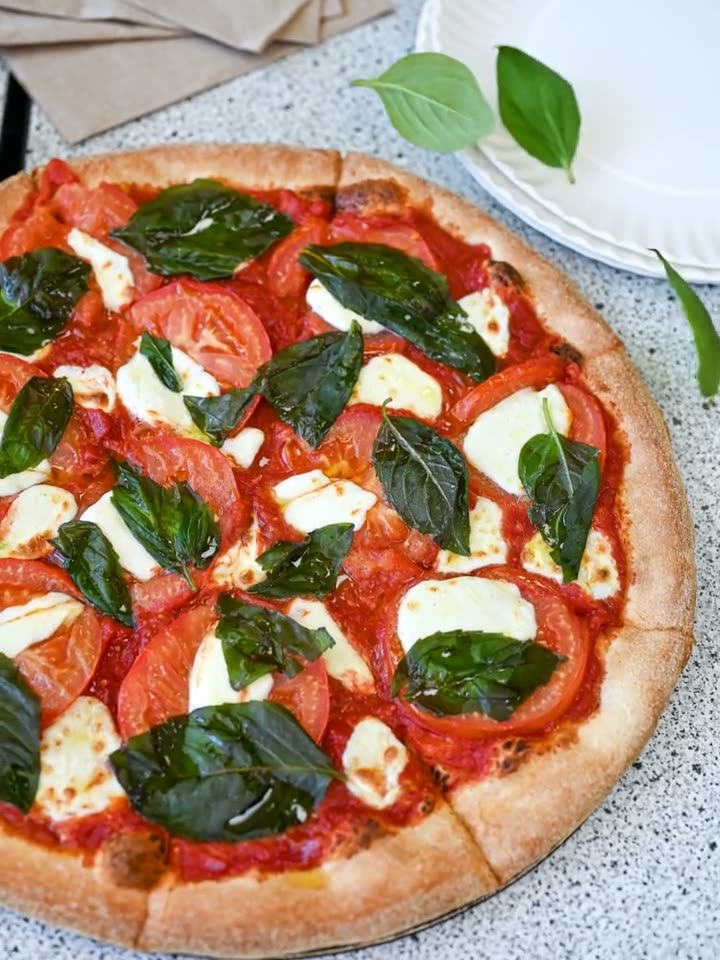
The effect works best when the garnish in the air matches something already on the plate. Basil falling onto a Margherita makes sense because the pizza already has basil on it. The same goes for parsley on pasta, cilantro on tacos, scallions on a rice bowl, or grated cheese on a salad. The motion reads as the finishing touch, not a decoration from nowhere.
It's a weaker fit for dishes with no garnish at all, like a plain burger or a slice of cake with smooth icing. If there's nothing on the plate for the falling pieces to echo, choose Close-Up Dive or Light Reveal instead. Keeping the video honest to the dish is also good practice: guests should get what they saw.
How to shoot the photo
- Shoot from directly above or at a low three-quarter angle, so the dish fills most of the frame.
- Leave a little space above the dish. The garnish needs room to fall through before it lands.
- Use daylight, not a flash. Harsh highlights look strange once the light starts to move.
- Make sure the garnish on the plate is fresh and visible, since the video draws attention to it.
- Keep the background simple: a counter, a board, a paper-lined tray. Clutter competes with the movement.
Feed clip vs story cut
The feed clip is the effect on its own: about five seconds of garnish falling over the dish, in a 3:4 frame that sits well in the Instagram and Facebook feed. It works as a quiet post with your caption doing the talking.
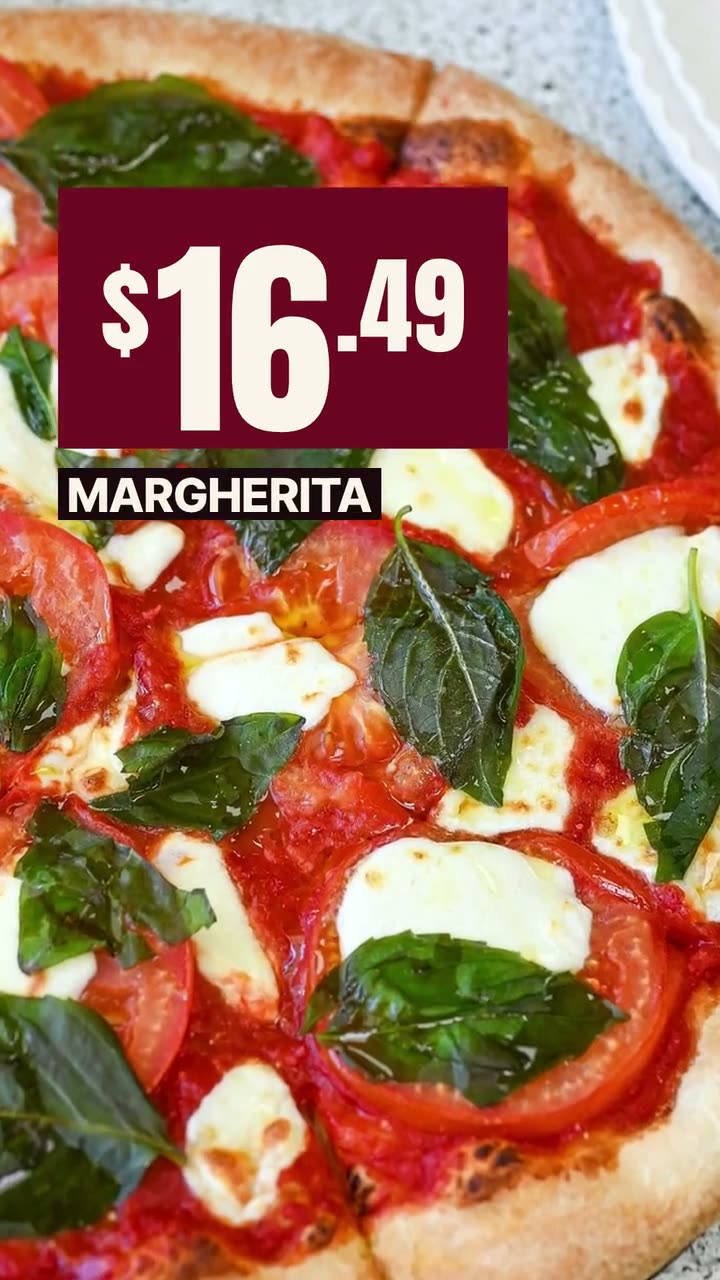
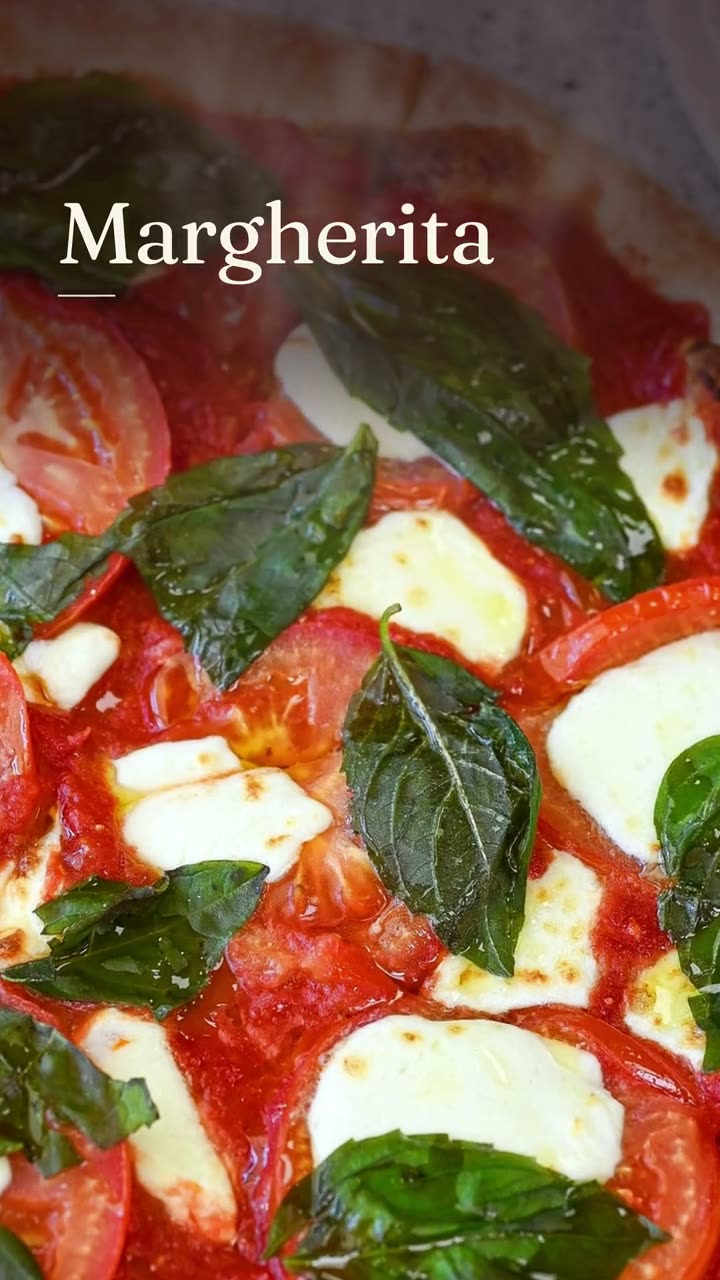
The story cut is a longer 9:16 version edited as a dish story, with short phrases from your menu description on screen, like "fresh mozzarella" on Boston Pizza's cut. Use it for Stories, Reels and TikTok, where people watch full screen and the words help them know what they're looking at.