August 10, 2026 · 10 min
Most advice about growing restaurant sales is a listicle of vibes. This is the ranked version: twelve tactics ordered by how fast they pay back, based on what we see across 600+ restaurants running direct ordering. Start at the top; each tactic funds the next one down.
1–4: Stop the leaks (fastest payback)
- Shift repeat orders off 20–30% commission marketplaces to a direct channel. A restaurant doing $20k/month through third parties recovers $4–6k/month in margin — the single biggest lever most independents have.
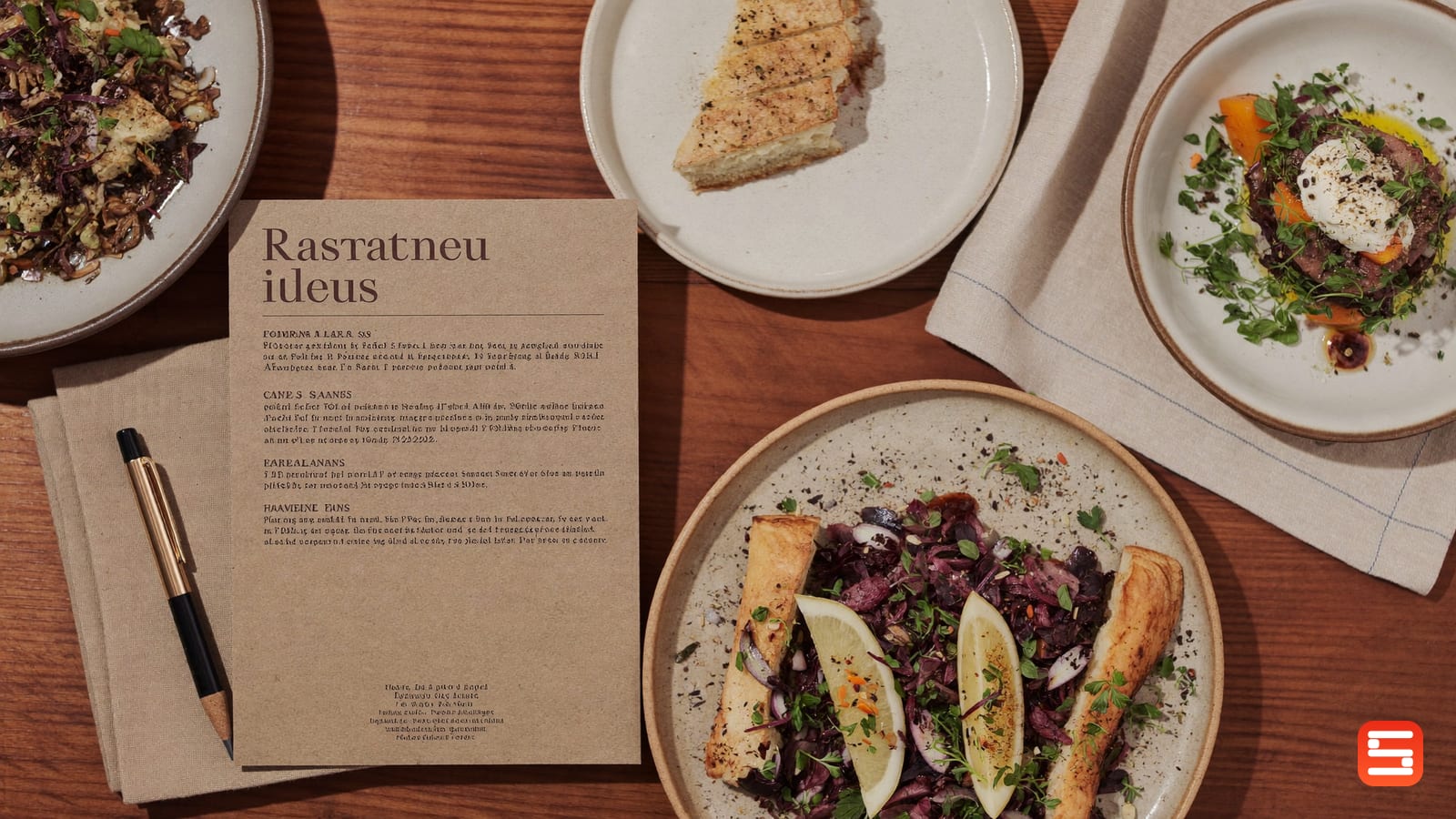
- Re-cost your top 10 sellers. Supplier prices drift; a dish costed two years ago is quietly off by points. Ten minutes with a food cost calculator finds the items eating margin.
- Fix menu pricing on comparison items. Price signature dishes for margin, commodity items for the market — and use charm pricing deliberately.
- Capture every phone order. Missed calls during rush are missed revenue; an AI answering agent or even a simple text-back flow recovers orders you already paid to attract.
5–8: Grow repeat visits (the compounding tier)
- Build the guest list at every touchpoint — order flow, WiFi, receipts, table cards. The list is the asset every later tactic runs on.
- Turn on win-back flows at 30/60/90 days. Lapsed-guest offers routinely redeem at 15–25% because the audience already knows you.
- Run a loyalty program that works on every channel — earn on pickup, redeem on delivery. Punch cards reward the visit; modern loyalty grows frequency.
- Send SMS sparingly and email consistently. SMS opens beat email 5-to-1, but the unsubscribe cost is real — save texts for high-signal moments.
9–12: Expand the surface (slower, structural)
- Grow average ticket with smart upsells at checkout — sides, drinks, and add-ons chosen by what's actually in the cart.
- Sell your slow dayparts: lunch specials, happy-hour windows, and family bundles aimed at the hours your kitchen sits idle.
- Own your local search results: complete Google Business Profile, consistent hours, review velocity, and a website that loads fast on a phone.
- Layer loyalty on once direct ordering is established — enrolled guests reorder at roughly 3x the rate of marketplace guests.
How to sequence it
Weeks 1–2: direct channel live, top sellers re-costed, phone capture on. Month 1: guest list capture at every touchpoint, win-back flows on. Quarter 1: loyalty, upsells, and daypart promotions. Everything after that is optimization.
The pattern behind all twelve: sales growth for independents is retention economics. It costs five times more to win a new guest than to bring one back — so the tactics that touch your existing guests almost always pay back first.