August 18, 2026 · 9 min
Catering is the highest-margin revenue most restaurants never systematize. The menu is where it's won or lost — not by cooking fancier, but by choosing dishes that hold temperature, travel well, and scale without a second kitchen. Here's how to build a catering menu that actually works at quantity.
Pick the format before the food
- Drop-off trays (half/full pans) — the workhorse: office lunches, family gatherings. Lowest labor, highest repeatability.
- Boxed individual meals — corporate favorite post-2020; premium price for the packaging and portioning labor.
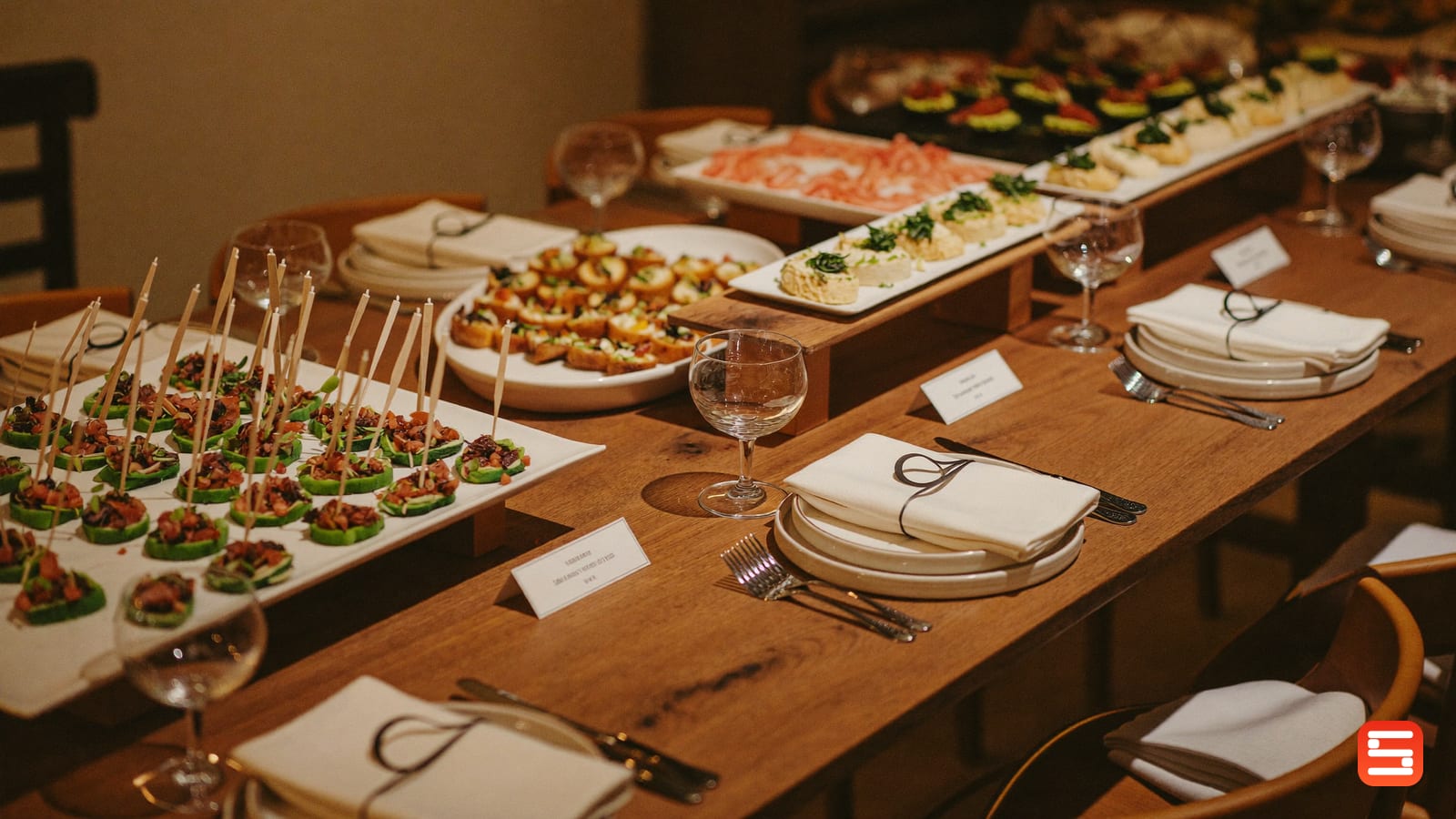
- Buffet with setup — weddings and events; charge for equipment, delivery windows, and staff separately.
- Family-style bundles for pickup — the entry point: sell them through your regular online ordering channel with 24-hour notice.
Dishes that survive the drive
- Braises and slow roasts — better after an hour in a cambro, not worse.
- Rice, grain, and pasta bases that don't clump: dress them lightly, sauce on the side.
- Hand food that holds: empanadas, sliders, kebabs, filled breads.
- Salads built for delay — hearty greens, dressing packed separately.
- Skip: fried food beyond 20 minutes, delicate fish, anything requiring tableside assembly.
Structure the menu for ordering ease
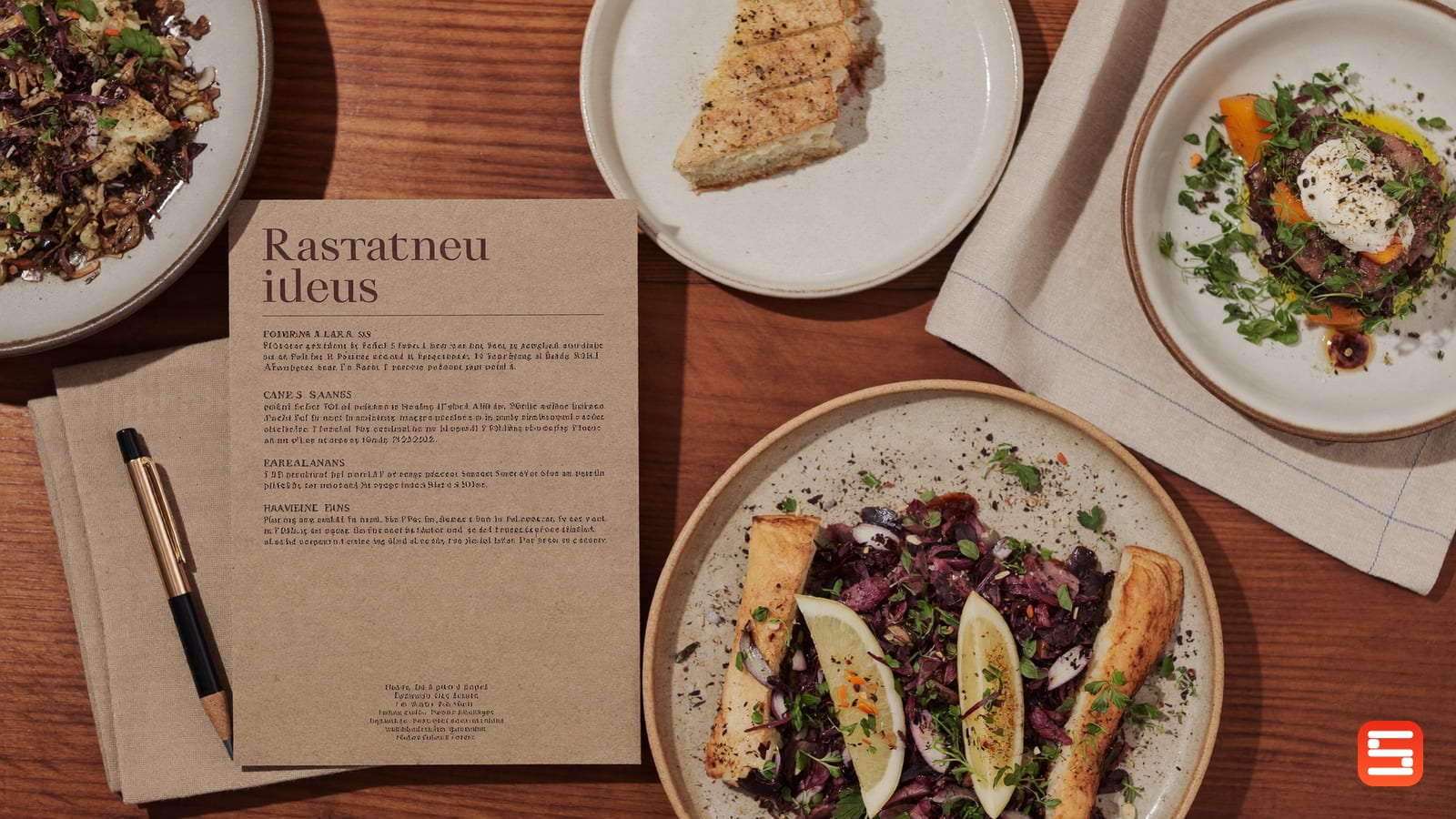
Corporate buyers don't want fifty choices — they want three tiers ('good/better/best' at $14/$18/$24 a head) with a protein swap and a vegetarian default at each tier. Name the tiers, set 10-person minimums, and require 24–48 hours' notice. One page, PDF-free, on your website with a real order form.
Price catering at food cost 25–28% — lower than dine-in, because there's no service labor per plate — but add delivery fees, equipment deposits, and staffing as visible line items rather than burying them.
Make it orderable
The restaurants that win catering treat it as a channel, not a phone call: a dedicated page on their own website, online ordering with lead-time rules, and a follow-up flow that emails the office manager two weeks after every order ('feeding the team again Friday?'). Office managers reorder from whoever makes it easiest — be the easiest.