Updated October 2, 2026 · 11 min
Email marketing for restaurants is the cheapest way to bring a guest back: once someone is on your list, every message is free to send, and nobody takes a cut of the order it brings. The restaurants that do it well rely on a handful of automated emails that run on their own, plus a short newsletter every couple of weeks. Here's what to send, when, and how to build the list.
How to build a restaurant email list
- Collect emails at checkoutEvery online order should capture an email, with a clear opt-in for marketing.
- Offer a real reason to joinA free item on a guest's birthday or a first-order reward beats a vague "10% off".
- Add a sign-up at the table and counterA QR code on table tents and receipts that goes to a short sign-up form.
- Bring in catering and event contactsOffice managers and event planners are your most valuable subscribers.
- Import guests who already opted inBring over existing lists only where people agreed to hear from you.
Six automated emails every restaurant should send
| Trigger | When | What it says | |
|---|---|---|---|
| Welcome | Joins the list or first order | Right away | Thanks, your story, a reason to come back within two weeks |
| First-order thank you | First online order | Next day | Thanks, a dish to try next time, a link to reorder |
| Birthday | Birthday on file | A week before | A real free item, valid for the birthday week |
| Win-back | No order in 30, 60 or 90 days | On each mark | We miss you, what's new, a small reason to return |
| Abandoned cart | Started an order, didn't finish | About an hour later | Your order is waiting, one tap to finish |
| Loyalty milestone | Reaches a reward | Right away | You've earned it, how to use it |
Set these up once. They run every day without anyone remembering to send them, and they're usually the emails that bring in the most orders.
Restaurant newsletter ideas
- A new dish or seasonal menu, with a photo and the story behind it.
- This month's specials and the days they run.
- Events: trivia, live music, a guest chef night, a holiday menu.
- Catering for office lunches and parties, with a link to order.
- Meet the team: the cook who's been there ten years, the new pastry chef.
- Gift cards in November and December.
Subject lines that get opened
Keep subject lines short and specific, name the food, and avoid all caps and piles of exclamation marks.
| Goal | Example subject line |
|---|---|
| New dish | New on the menu: smoked brisket sandwich |
| Special | Tonight only: two pizzas and wings for 39 |
| Win-back | It's been a while. Your usual is waiting |
| Event | Trivia night is back on Thursday |
| Catering | Feeding the team Friday? Order by noon Thursday |
How often restaurants should email
Automated emails go out whenever their trigger happens. On top of those, one newsletter every one to two weeks is a good pace for most restaurants: often enough to stay in mind, rarely enough that guests are happy to see you. Holiday seasons can justify an extra send.
Design and writing rules
- One main message per email, with one button: order, book or see the menu.
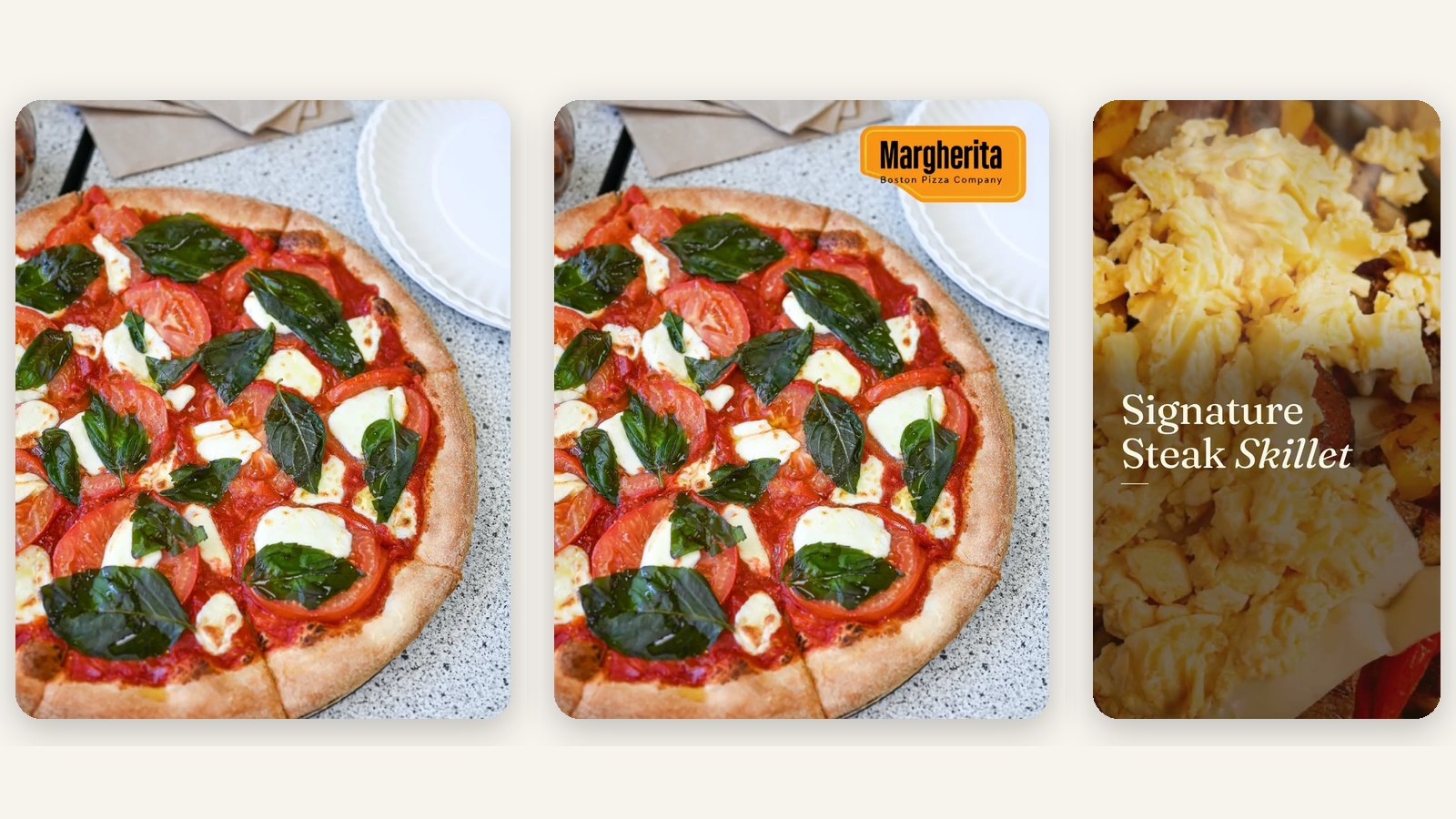
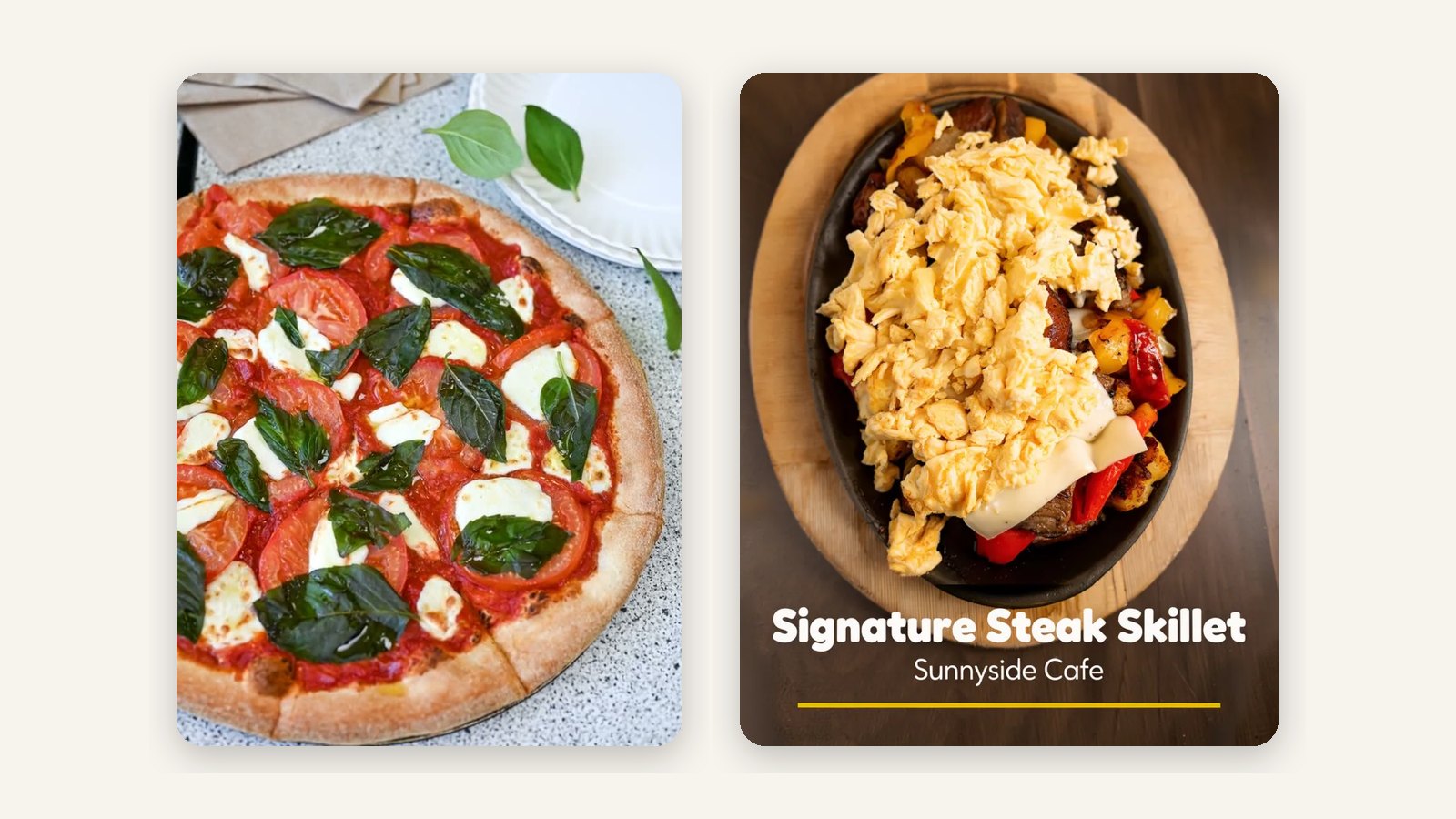
- Put a photo of a real dish at the top.
- Write the way you talk to regulars; skip corporate language.
- Make it readable on a phone: one column, big button, short paragraphs.
- Send from a real name at your restaurant, not a no-reply address.
Email rules to follow
In the US, the CAN-SPAM Act requires commercial emails to include a working unsubscribe link, your physical mailing address, and subject lines that aren't misleading. Honor unsubscribes promptly, and only email people who signed up. This is a summary, not legal advice.
What to measure
| Metric | What it tells you |
|---|---|
| Orders from email | Whether email is paying off. The number that matters most. |
| Click rate | Whether the message and offer interested people. |
| Unsubscribe rate | Whether you're sending too often or off-topic. |
| List growth | Whether you're capturing guests at every order. |