August 10, 2026 · 9 min
Toast and Square power more independent restaurants than any other POS pair, and the right answer depends less on features than on what kind of operation you run. The one-table taqueria and the three-location full-service group need different things. Here's how they actually compare — and where each one wins.
The short version
Square wins on simplicity and startup cost: free software tier, hardware you can buy off the shelf, and a payments setup that takes an afternoon. Toast wins on restaurant depth: kitchen display systems, handhelds built for table service, payroll and tips management, and reporting designed around covers and dayparts rather than generic retail.
- Counter-service, food truck, café, or first location: Square gets you live faster and cheaper.
- Full-service dining, bars with tabs, or multi-location groups: Toast's restaurant-specific tooling earns its higher cost.
- Either way, both sync two-way with Servestack — so the direct ordering decision is independent of the POS decision.
Pricing and hardware
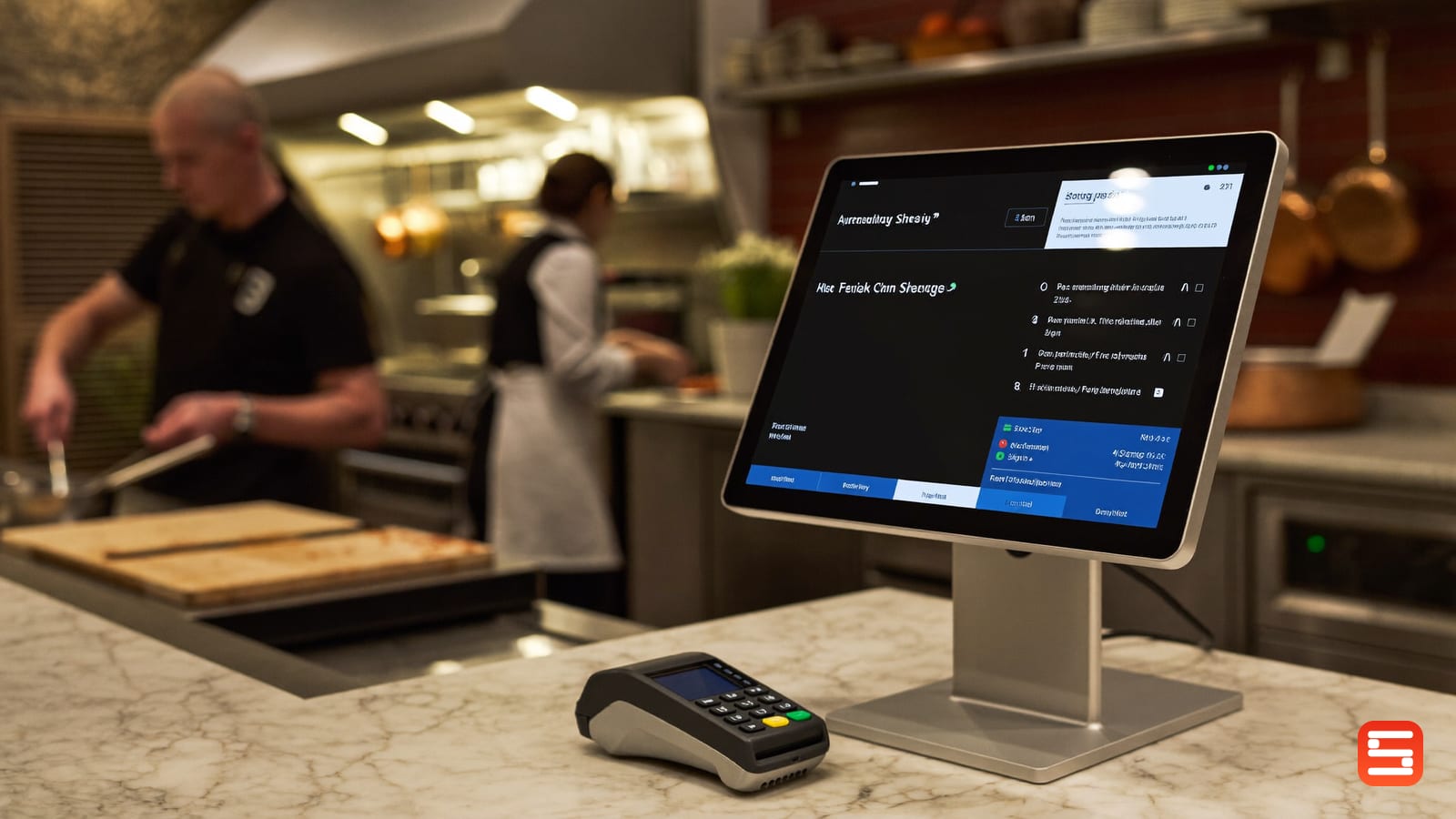
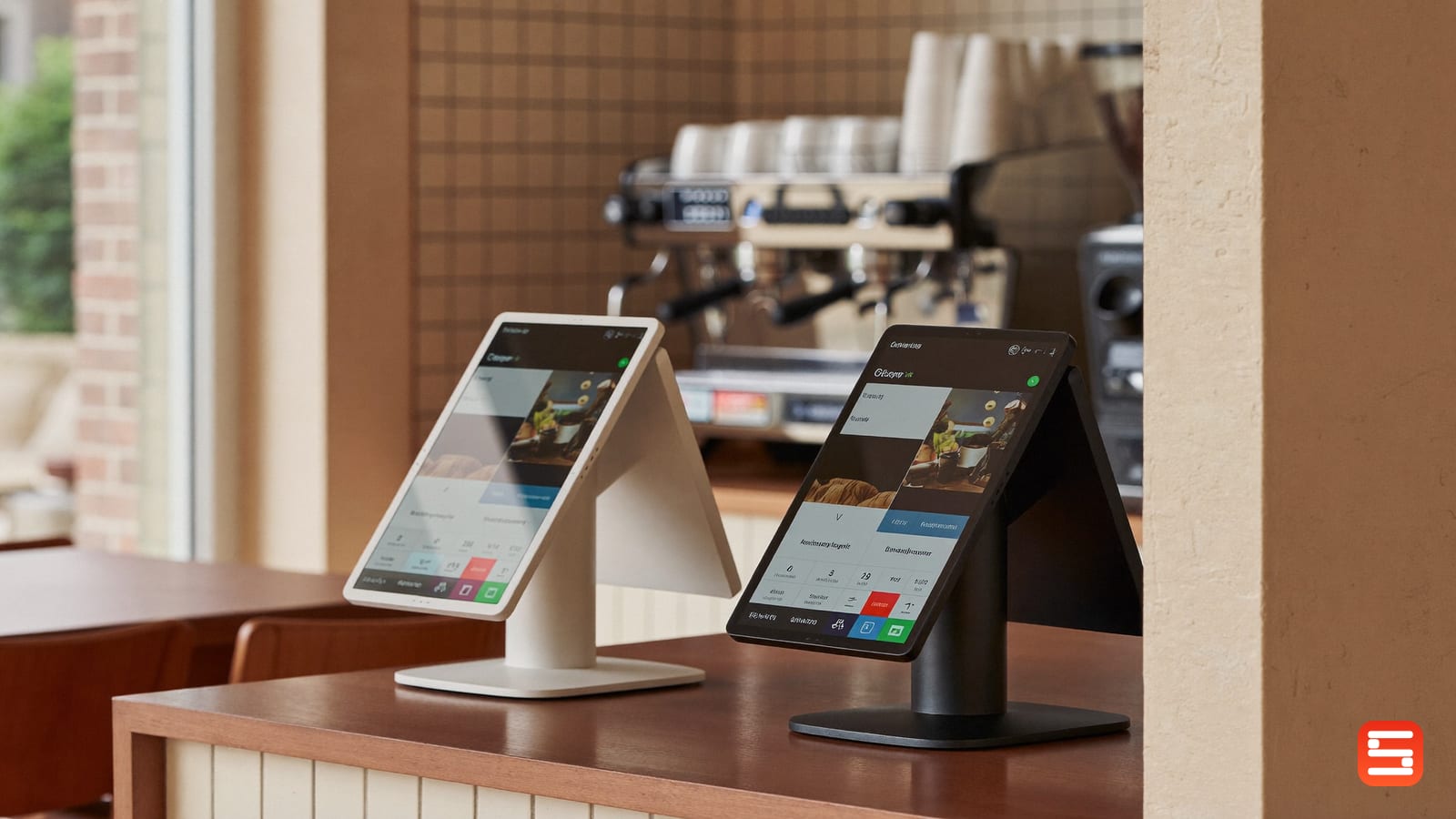
Square's software starts free with paid tiers for restaurant-specific features, and its processing is a flat published rate. Hardware is commodity — an iPad and a reader get you trading. Toast prices as a subscription per terminal with negotiated processing, and its hardware is proprietary — rugged, spill-resistant, and Android-based, but you rent or buy it from Toast and you can't reuse it elsewhere.
The hidden cost on both sides is the add-on stack: online ordering, loyalty, marketing, payroll, and gift cards are each metered separately. Operators regularly discover their 'affordable' POS bill has doubled once the add-ons pile up. Price the whole stack you'll actually run, not the entry sticker.
Online ordering and commissions
Both platforms bundle first-party online ordering, and both are serviceable. The catch: menus, branding, and guest data live inside the POS vendor's ecosystem, and the ordering experience is a template — fine for capturing orders, weak for building a brand guests remember.
That's the layer where a dedicated direct channel earns its keep: your own domain, your own brand, your own guest list, and zero commissions — with orders still firing straight into Toast or Square via two-way sync. The POS runs the line; the direct channel owns the guest relationship.
Reporting, labor, and the back office
Toast's reporting is genuinely restaurant-shaped: sales by daypart, menu mix, labor versus sales in real time, tip pooling built in. Square's reporting is cleaner but more generic — great for a counter concept, thinner for an operator managing servers, sections, and covers.
If payroll and scheduling matter, Toast's integrated payroll is a real differentiator; Square answers with its own team management tools that are simpler but less deep.
Bottom line
Choose Square when speed, cost, and simplicity dominate. Choose Toast when table service, labor complexity, or multiple locations do. And whichever you pick, don't let the POS vendor also own your guest relationships — keep the direct ordering channel, the guest data, and the marketing list on your side of the counter.