August 14, 2026 · 14 min
Opening a restaurant is a series of unforgiving deadlines wearing a dream as a disguise. The operators who make it treat the launch like a project plan, not a leap of faith. Here is the sequence that works, in the order that avoids the expensive mistakes.
Steps 1–3: Concept, plan, money
- Nail the concept in one sentence — cuisine, service style, check average, and who it's for. If the sentence needs a paragraph, the concept isn't ready.
- Write the business plan before touching your savings. Banks and landlords will ask for it, and the financial model will tell you whether the idea survives contact with rent. Use our free restaurant business plan template to start.
- Line up funding: typical builds run $200k–$600k for a full-service space. SBA 7(a) loans, equipment financing, and family rounds are the common stack — and every lender starts with your plan and personal credit.
Steps 4–6: Location, lease, permits
- Choose location on foot traffic patterns at YOUR dayparts, not averages. A lunch spot on a nightlife street fails with great foot traffic.
- Negotiate the lease like it's your biggest recipe — because it is. Push for tenant improvement allowance, a rent-free buildout period, and an exit clause. A percentage-rent-only deal beats low base rent for year one.
- Start permits the day you sign: business license, food service permit, health inspection, liquor license (the long pole — often 3–6 months), signage, and fire. Local expediters earn their fee.
Steps 7–9: Buildout, menu, systems
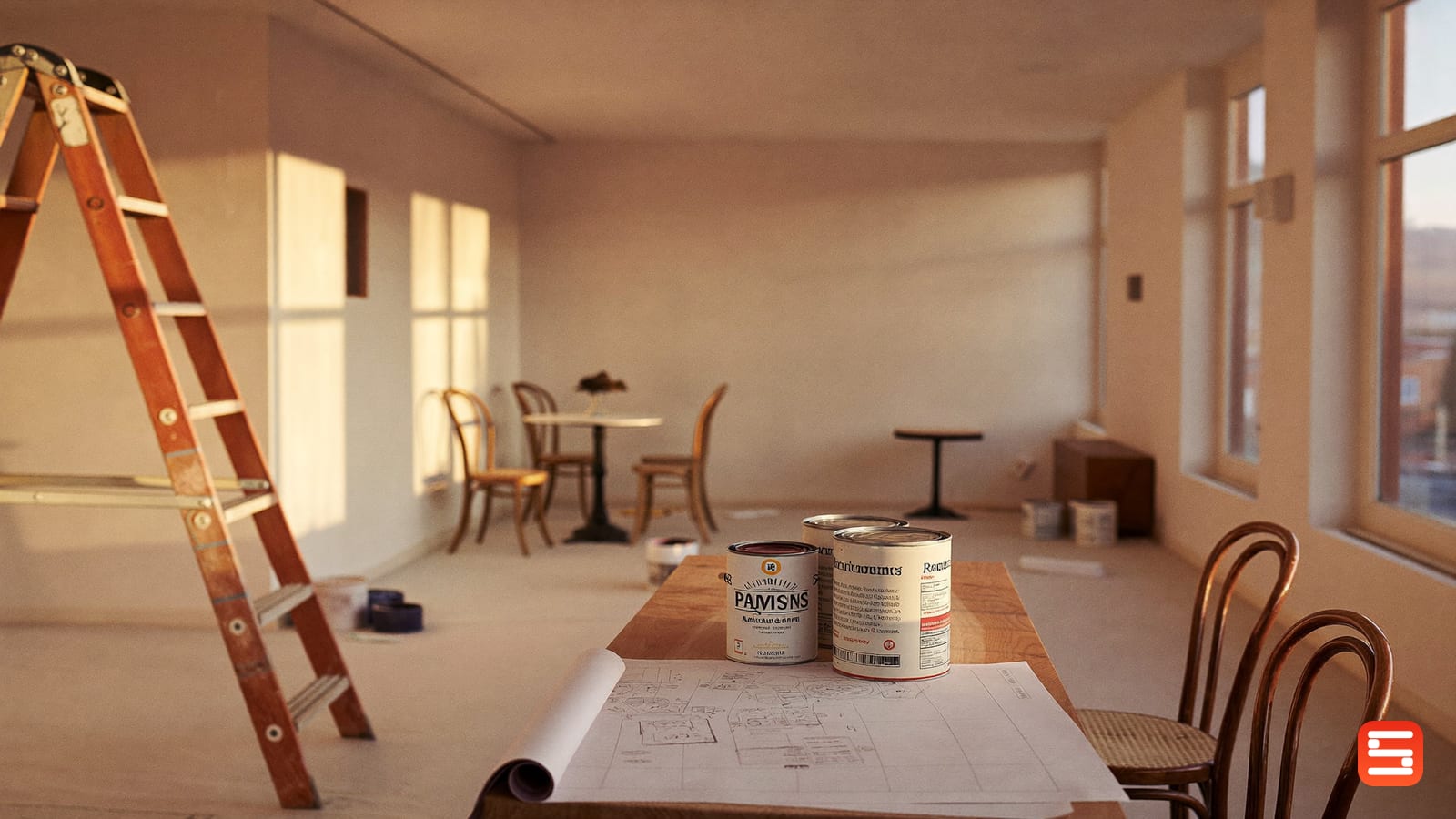
- Budget the buildout with a 20% contingency line you don't touch. Kitchens run over; dining rooms can flex.
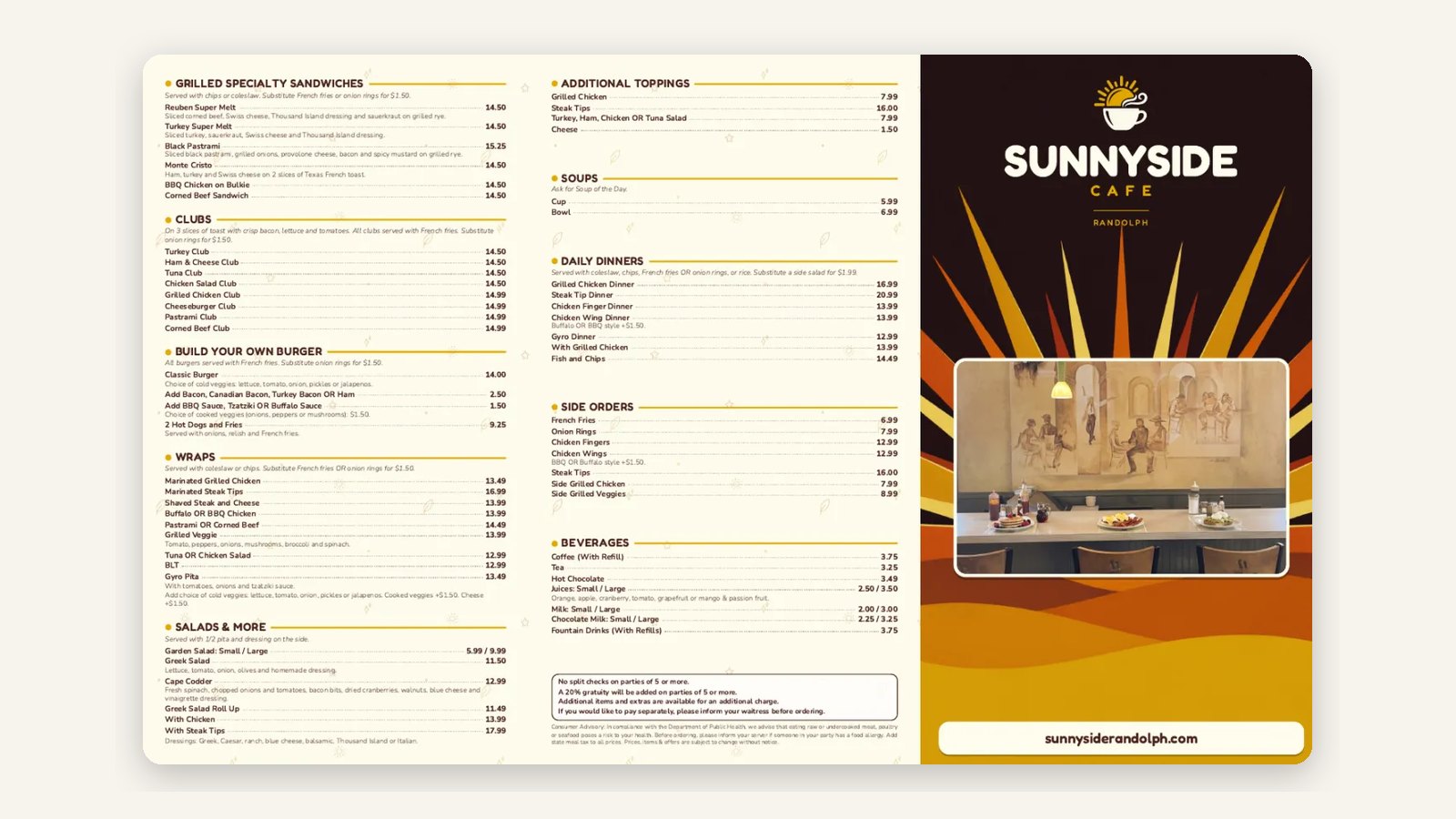
- Engineer the opening menu small — 20–30 items you can execute perfectly beats 60 you can't. Cost every recipe before it's printed (our food cost calculator does this in minutes).
- Pick systems before hiring: POS, online ordering, payroll. Set up your own commission-free ordering channel from day one — retrofitting it after guests learn to find you on marketplaces costs real margin.
Steps 10–12: Hire, soft open, launch
- Hire the kitchen leader 6–8 weeks out, the floor 3–4 weeks out. Train on the actual menu with the actual POS.
- Soft-open for friends, family, and neighbors for at least a week — full service, real tickets, honest feedback. Every restaurant discovers a broken station in soft open; better then.
- Launch loud and local: Google Business Profile live with photos, your ordering site taking real orders, an opening offer that captures emails, and the neighborhood invited personally.
The timeline and the two numbers
Realistic timeline from signed lease to open door: 6–10 months, with the liquor license and buildout permits usually setting the pace. Anything faster requires a second-generation space (a former restaurant) — which is also the single biggest cost saver available.
Two numbers decide survival: prime cost (food + labor) under 65% of sales, and enough cash to cover six months of fixed costs after opening. Most restaurant failures are not bad food — they're good food that ran out of runway before the neighborhood found it.